

Why Vandalism Prevention Is Critical for Your Property Security
Vandalism prevention is more critical than ever. Between rising property damage in many cities and the real costs of cleanup, delays, and reputational harm, a proactive strategy protects your bottom line and peace of mind. We recommend a layered approach grounded in CPTED design, AI-powered monitoring, and an engaged community response.
Quick Answer: The 3 Most Effective Vandalism Prevention Methods
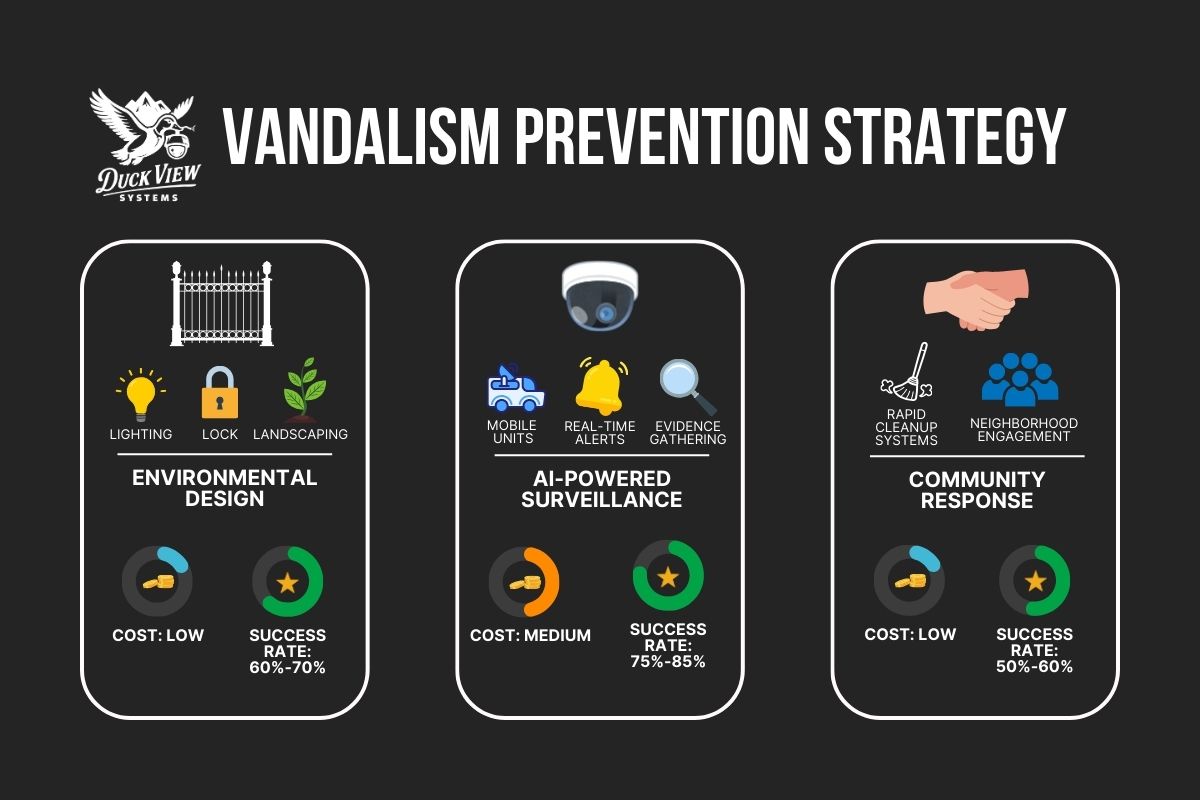
- Environmental Design (CPTED): Improve lighting, control access, eliminate hiding spots.
- AI-Powered Surveillance: Deploy mobile units with real-time alerts and evidence gathering.
- Community Response Plan: Rapid cleanup, reporting systems, and neighborhood engagement.
The financial impact goes beyond repair bills. For example, Vancouver Police recorded nearly 6,000 property damage incidents in 2023, a reminder that the problem is widespread and persistent. According to the FBI Crime Data Explorer, property damage/vandalism is tracked nationally as “Destruction/Damage/Vandalism of Property,” reflecting its ongoing scope across the United States. And while costs vary by market, industry, and research sources estimate U.S. vandalism/graffiti cleanup in the billions annually
The National Association of Realtors reports that commercial properties experiencing repeated vandalism can see property values decline by up to 15%, underscoring the need for prevention-first strategies that reduce opportunity and increase the risk of detection for offenders.
At Duck View Systems, we build AI-Powered Mobile Surveillance Units designed for job sites and commercial properties. Our USP is real-time AI detection for security, safety compliance (PPE), and material tracking – paired with high-resolution, zoom-capable cameras ideal for documentation. We deploy fast and give you remote access so you can act before damage occurs.
Our approach blends proven Crime Prevention Through Environmental Design (CPTED) principles with modern technology and community coordination. The International CPTED Association emphasizes that properly implemented CPTED strategies can reduce crime by 30-40%, making it a cornerstone of effective vandalism prevention.
Method 1: Fortify Your Property with Environmental Design (CPTED)
The smartest vandalism prevention strategies begin with design. Crime Prevention Through Environmental Design (CPTED) uses the physical environment to deter offenders – boosting visibility, limiting access, and signaling active ownership. When vandals feel exposed and unwelcome, they move on.
Improve Natural Surveillance and Visibility
Vandals avoid places where they feel seen. Make it obvious they’ll be noticed.
- Maintain Your Property: The Broken Windows Theory suggests visible neglect (like graffiti or broken glass) can invite more crime. A tidy site communicates vigilance and ownership.
- Use Strategic Lighting: Poorly lit areas are prime targets. Install fixtures delivering roughly 700–1500 lumens with 5000–6000K color temperature for crisp visibility. Motion-activated lighting can draw attention to movement. Replace burnt bulbs immediately.
- Eliminate Hiding Spots: Trim branches to about 7 feet and keep shrubs near buildings below 4 feet to create clear sightlines from the street.
Control Access with Physical Barriers
Reduce easy entry and you raise the effort and risk for offenders.
- Fencing and Gates: A durable, 6-foot fence with locked gates and “No Trespassing” signage creates a physical and psychological barrier.
- Vandal-Resistant Materials: Security glazing (e.g., 6.8mm laminated) or 4-mil security film helps deter window-breaking. Stainless steel fixtures resist damage.
- Defensive Landscaping: Plant thorny shrubs (e.g., roses, holly) beneath windows and along walls to discourage access, and keep the look professional. See how these choices complement modern monitoring in our guide.
Establish Territorial Reinforcement
Make ownership unmistakable.
- Define Your Space: Clear, professional signage and well-marked boundaries eliminate ambiguity.
- Accept Community Art: Commissioned murals often deter tagging and make graffiti less “rewarding.”
- Show You’re Watching: Regular upkeep and visible improvements signal active oversight, key to effective vandalism prevention.
Method 2: Proactive Vandalism Prevention with Duck View AI-Powered Surveillance
Environmental design lays the foundation, but proactive technology adds the edge. Our AI-Powered Mobile Surveillance Units shift you from reactive cleanup to active deterrence, helping stop vandals before damage occurs.
Leveraging Duck View AI-Powered Surveillance for Vandalism Prevention
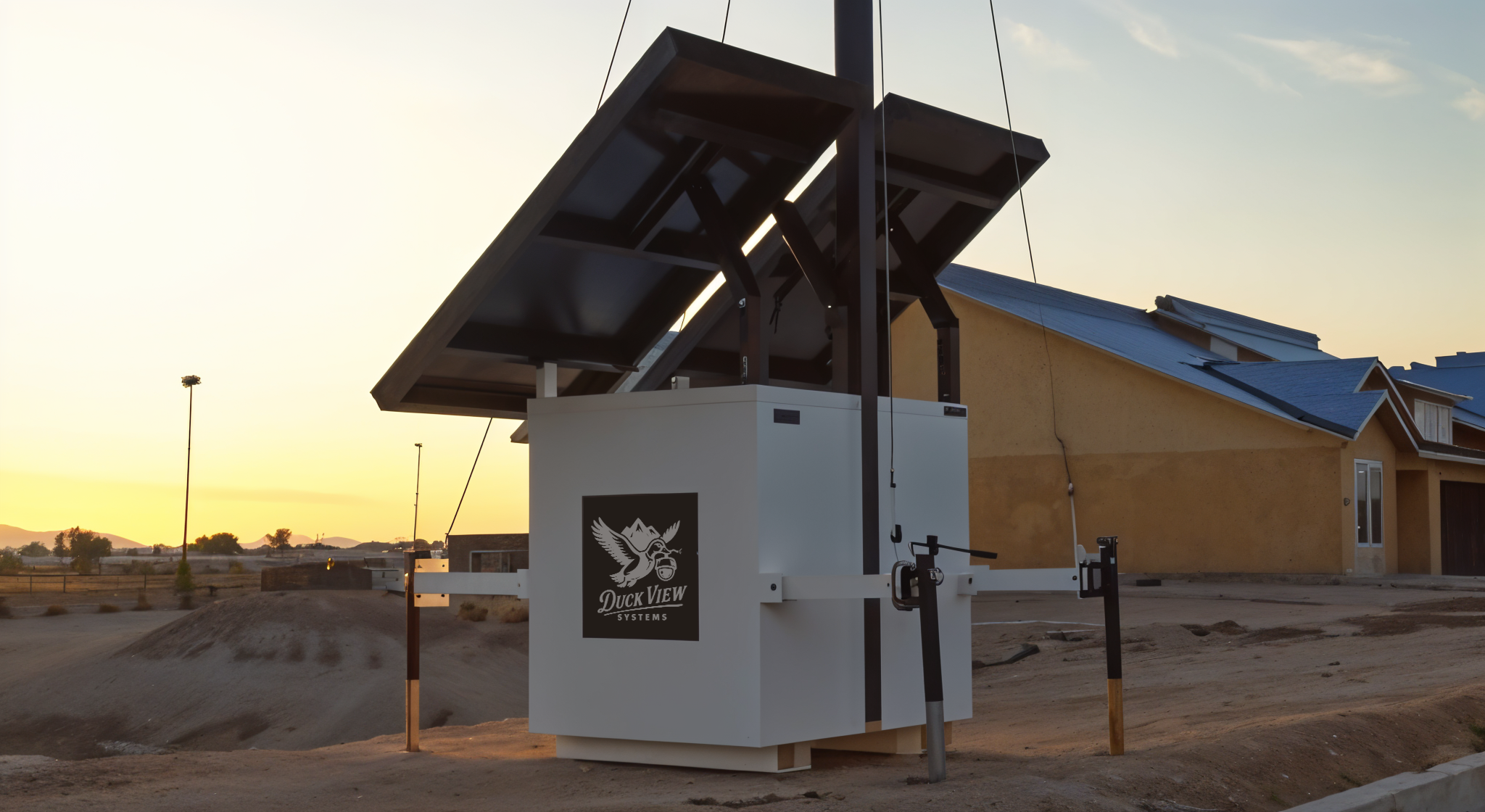
Our AI distinguishes normal activity (like a stray animal) from genuine threats (like loitering or perimeter breaches) and sends real-time alerts so you can act before damage. Features like Virtual Guard monitor unusual behavior continuously, while AI Inspector supports safety compliance, fostering an orderly site that naturally discourages vandalism.
The Advantage of Mobile and Flexible Security
Static systems can’t adapt as hotspots shift. Our mobile units do.
- Rapid Deployment: Be operational within under an hour, no trenching or permanent install required.
- Strategic Mobility: Move units as risks change, ideal for Construction Site Safety and Parking Lot Security.
- Cost-Effectiveness: 24/7 monitoring at a fraction of guard costs; many clients see savings of up to 88%. See our Mobile Surveillance Solutions.
| Feature | Traditional Security Guards | Duck View AI Mobile Surveillance |
|---|---|---|
| Cost | High ongoing expense ($50–80K annually per guard) | Fraction of guard costs with 24/7 coverage |
| Coverage | Limited to one area per guard | Multiple areas monitored simultaneously |
| Response Time | Depends on guard location and alertness | Instant AI detection and real-time alerts |
| Evidence Quality | Incident reports and limited documentation | High-resolution, time-stamped footage with zoom |
Gathering Actionable Evidence with Advanced Camera Technology
When incidents happen, evidence quality determines outcomes. Our high-resolution, zoom-capable cameras capture faces and plates, even at a distance and in low light. Natural Language Search lets you type a phrase like “blue truck unloading” or “person in red jacket” to instantly locate footage. Focus Mode and the Case Reporting tool make it easy to package time-stamped clips for law enforcement and insurance. See more in How Duck View Works.
Method 3: Build a Resilient Community and Response Plan for Vandalism Prevention
Vandalism prevention isn’t only hardware and lighting. A coordinated response – fast cleanup, easy reporting, and community engagement, removes the payoff for vandals and keeps problems from returning.
The Power of Rapid Response and Cleanup
Remove graffiti and repair damage within 24–48 hours. Quick abatement denies vandals the visibility they seek and reduces recurrence. Consider protective coatings on frequently targeted surfaces to speed future cleanup.
Make Reporting Simple and Consistent
Ensure staff, tenants, and neighbors know exactly how to report suspicious activity – what to capture (location, time, description), who to notify, and how to access relevant camera clips. Our high-resolution, time-stamped footage and searchable archives make documentation easy, and our Case Reporting tool streamlines sharing with law enforcement.
Engage the Neighborhood
Partner with nearby businesses, property managers, and local associations to share patterns and align responses. Commission community art or murals on persistent hot spots; taggers are often reluctant to deface existing artwork. Encourage neighborhood watch participation and coordinate with local police for deterrent patrols.
Keep Design Fundamentals in the Mix
Community action works best when paired with solid site design. Maintain clear sightlines, fix broken fixtures quickly, and keep lighting consistent – core habits reinforced in the RCAB Office of Risk Management’s guidance.
What to Do When Vandalism Strikes: A Step-by-Step Guide
Even with strong vandalism prevention, incidents can happen. Here’s a fast, practical checklist to limit damage, capture evidence, and speed resolution.
- Ensure Safety First: Do not confront suspects. If offenders are on-site or nearby, call police immediately.
- Document the Scene: Take wide and close photos of damage, entry points, and surrounding areas. Note the date, time, and any witnesses.
- Pull High-Resolution, Time-Stamped Footage: Use Natural Language Search to find relevant clips quickly (e.g., type “person near fence” or “blue truck unloading”). Mark key moments with Focus Mode and compile a package using the Case Reporting tool.
- File a Police Report: Provide your case report, time-stamped footage, and any plate/face captures. Clear video dramatically improves follow-up quality.
- Notify Insurance: Supply your police report number, photos, and video evidence. High-resolution, zoom-capable footage can streamline claims.
- Start Cleanup Within 24-48 Hours: Rapid removal reduces repeat tagging and restores normal operations. Consider anti-graffiti coatings for chronic surfaces.
This incident workflow, paired with ongoing vandalism prevention, shortens downtime and makes prosecution more likely.

Frequently Asked Questions about Vandalism Prevention
What is the most effective deterrent for vandals?
A layered approach works best: CPTED improvements (lighting, sightlines, access control), plus AI-Powered Mobile Surveillance for real-time alerts and high-resolution evidence. Our Virtual Guard and AI Inspector add continuous oversight, making sites feel monitored and well-managed.
Do security cameras really prevent vandalism?
Yes, especially when the system is visible, actively monitored, and captures clear, time-stamped footage suitable for case reporting. Our units use AI to flag suspicious behavior and notify you in real time, so you can intervene early. High-resolution, zoom-capable cameras improve identification and prosecution.
What is CPTED and how does it help with vandalism prevention?
Crime Prevention Through Environmental Design (CPTED) uses design choices – visibility, access control, and territorial reinforcement, to reduce crime opportunity. Start with lighting, maintenance, and landscaping, then add technology for detection.
How can I stop graffiti from coming back?
Remove it within 24–48 hours, coat frequent targets with anti-graffiti finishes, and increase natural surveillance (trimmed landscaping, lighting) near hot spots. Combine these steps with visible AI monitoring and simple reporting instructions for staff/tenants.
What should I do immediately after my property is vandalized?
Prioritize safety, document the scene, pull time-stamped clips with Natural Language Search, and file a police report with your Case Report. Notify insurance and clean up quickly. Our step-by-step checklist is in the section above; you can also explore Intelligent Video Surveillance for streamlined retrieval and reporting.
Where are mobile surveillance units most helpful?
Dynamic environments with changing risks benefit the most: construction projects, parking lots, logistics yards, and multi-tenant properties. Units can be repositioned as hot spots shift. Learn more about Mobile Surveillance Solutions and Parking Lot Security.
Do I need guards if I have AI-powered surveillance?
It depends on your risk profile. Many sites reduce or replace guard hours because AI delivers real-time detection, consistent coverage, and high-quality evidence for a fraction of the cost. Some choose a hybrid model (AI for perimeter, guards for access control). Our team can help you model the options for your site.
A Comprehensive Strategy for Vandalism Prevention Is Your Best Defense
Vandalism prevention is not a single product or a one-time fix, it’s a program. The reality is simple: sites that rely on a single tool (only cameras, only fences, or only community outreach) see only short-lived gains. Lasting protection comes from layering complementary strategies so each one compensates for the limits of the others. Combining smart site design (CPTED), visible and intelligent technology (AI-powered surveillance), and a fast, community-driven response creates a system that discourages offenders, speeds detection, preserves evidence, and restores normal operations quickly. That’s the core of effective vandalism prevention.
Start with the environment. CPTED measures – clear sightlines, properly scaled lighting, defensible boundaries, and well-maintained landscaping, remove the low-effort opportunities vandals look for. These physical changes send a clear message: the site is cared for and monitored. Done right, CPTED reduces the number of events that ever reach the point of damage, and it makes every technological layer you add work better.
Layer in intelligent, visible technology next. Mobile, trailer-mounted AI systems give you flexibility and presence where you need it. When units are obvious, they deter activity. When they’re smart, they reduce false alarms and deliver the high-quality, time-stamped evidence investigators and insurers require. Features such as real-time AI alerts, natural-language Natural Language Search, Focus Mode, and Case Reporting turn footage into usable intelligence, not just pixels on a screen. Because the systems are mobile and quick to deploy, they allow you to adapt protection as hotspots shift across a campus, a construction season, or a business corridor.
Don’t underestimate the power of people and process. Rapid cleanup (ideally within 24–48 hours), simple reporting workflows for staff and tenants, and community engagement remove the social rewards vandals seek. Commissioned murals, neighborhood watch partnerships, and coordinated patrols reduce repeat tagging and create local ownership. When community actions are combined with CPTED and AI monitoring, results multiply – not add up – because each piece amplifies the others.
If you want a turnkey path from assessment to action, Duck View Systems can help. As a manufacturer of trailer-mounted, AI-powered mobile surveillance units, we pair proven CPTED guidance with fast-deploy technology and tools (Natural Language Search, Virtual Guard, Case Reporting) designed for real sites – construction zones, parking areas, logistics yards, and multi-tenant properties. Whether you need a pilot deployment, a campus-wide rollout, or help designing reporting and cleanup workflows, we can partner with you to build a custom vandalism prevention program that protects people, property, and budgets.
If you’re ready to harden your property, our team can help you design a custom solution and deploy quickly. Learn more and explore our AI-Powered Mobile Surveillance Units in How Duck View Works, or connect with us to secure your site.