

The Billion-Dollar Problem: How to Prevent Employee Theft in Retail
How to prevent employee theft in retail starts with a sobering reality: one of your biggest security threats might be coming from inside your own store. While retailers understandably focus on external shoplifters, internal theft silently drains billions from the industry each year, representing a significant and often overlooked vulnerability.
Quick Answer: How to Prevent Employee Theft in Retail
- Hire Smart: Conduct thorough background checks and multi-layered reference verification.
- Set Clear Policies: Establish and communicate a zero-tolerance theft policy with consistent, fair enforcement.
- Monitor Operations: Use AI-powered surveillance to monitor high-risk areas, transactions, and operational procedures.
- Secure Cash & Inventory: Implement strict, dual-verification processes for cash handling and restrict access to valuable merchandise.
- Build a Culture of Trust: Foster a positive workplace through fair compensation, employee recognition, and open communication channels.
- Conduct Regular Audits: Perform frequent, unannounced inventory counts and financial reconciliations to deter and detect theft quickly.
- Provide Anonymous Reporting: Create safe, confidential channels for employees to report suspicious behavior without fear of retaliation.
The numbers are stark. According to the 2023 National Retail Security Survey by the National Retail Federation, total retail “shrink”, the industry term for inventory loss from all sources, ballooned to $112.1 billion. While this figure includes external shoplifting, employee or internal theft remains a primary driver of these staggering losses. The average loss per dishonest employee incident can be many times higher than a typical shoplifting event, making it a uniquely damaging threat to your bottom line.
This issue goes far beyond missing inventory or cash. It creates a toxic work environment, erodes trust among your team, and can systematically destroy your company culture. Honest employees may become demoralized, productivity can plummet, and the financial strain can threaten the viability of your business. The good news is that employee theft is largely preventable with the right combination of people-first policies, rigorous processes, and intelligent technology.
At DuckView Systems, we have dedicated our expertise to helping retailers understand how to prevent employee theft in retail. We believe that protecting your assets is fundamental to building a successful business. Our goal is to empower you with the smart technology and proven strategies needed to create a secure and thriving retail environment.

Understanding the “Why” and “How” of Internal Retail Theft
When we explore how to prevent employee theft in retail, we must first understand what drives otherwise good people to make bad choices. It’s rarely a master plan hatched on day one. More often, it’s an employee facing sudden financial pressure, feeling chronically undervalued, or simply seeing an easy opportunity with a low perceived risk of getting caught.
This behavior is often explained by the “theft triangle,” a classic criminology concept that outlines the three elements that converge to create the conditions for internal theft. Understanding this framework is crucial because it gives you a clear roadmap for prevention.
- Opportunity: The employee has the access and ability to steal without immediate detection. This is the single easiest factor for you, as a retailer, to control. Weaknesses like unmonitored stockrooms, shared cash register logins, or lax inventory counts create tempting opportunities. An employee might notice that no one ever checks the trash compactor or that manager overrides for returns are never questioned. This is where your processes and technology must be strongest.
- Motivation (or Pressure): This is the internal or external driving force. It’s often rooted in financial stress – unexpected medical bills, overwhelming debt, or an inability to make ends meet. However, it can also stem from non-financial pressures like addiction, blackmail, or a perceived social need to maintain a certain lifestyle. While you cannot control an employee’s personal life, you can influence it positively with fair wages and a supportive environment.
- Rationalization: This is the internal justification employees use to make their actions seem acceptable to themselves. They might think, “The company makes millions; they won’t miss this one item,” or “I’m consistently underpaid and overworked, so I deserve a little extra.” According to a study from the Association of Certified Fraud Examiners (ACFE), this ability to rationalize is a key component of occupational fraud. A strong, positive company culture where employees feel respected and valued makes this justification much more difficult.
As the National Retail Federation’s data shows, with internal theft being a major contributor to the industry’s $112.1 billion shrink problem, addressing these three elements is not just good practice, it’s essential for survival.
Common Types of Employee Theft
Employee theft is adaptable and can manifest in numerous ways, depending on an employee’s role, access, and the specific vulnerabilities in your operations. Knowing these common methods is the first step to building better defenses.
Cash Handling Theft:
This is the most direct form of theft. It includes skimming (pocketing cash from a sale and not recording it, or short-changing the register), processing fraudulent returns for cash (using old receipts or fake customer information), or simple cash larceny (stealing directly from a register, deposit bag, or safe).
Merchandise Theft:
This can range from the simple to the sophisticated. It includes basic concealment in personal bags or jackets, “trash theft” (hiding items in outgoing trash to be retrieved later), backdoor deals with accomplices who act as fake vendors or delivery drivers, or simply walking out with unpaid goods through unmonitored exits.
Point-of-Sale (POS) Fraud:
This category involves manipulating transaction systems. The most common form is “sweethearting,” where an employee gives unauthorized discounts or free items to friends and family by not scanning items or applying fraudulent discount codes. Other methods include creating fraudulent voids to pocket the cash from a completed sale or under-ringing items by scanning a cheaper item’s barcode for a more expensive product.
Time Theft:
While not stealing physical goods, time theft is a significant drain on payroll. It includes buddy punching (where one employee clocks in or out for an absent coworker), taking excessively long breaks, or consistently arriving late or leaving early while reporting full hours worked. Over a year, this can add up to thousands of dollars in unearned wages.
Data Theft:
A modern and insidious threat, data theft involves stealing confidential company information. This could be customer lists for a competitor, proprietary sales data, or even employee records for identity theft. This type of theft can have long-lasting reputational and financial consequences.
The True Cost to Your Business
The direct financial loss from a stolen item or cash is just the beginning. The hidden costs are often far more damaging to your business in the long run.
- Damaged Morale: When honest employees see a coworker getting away with theft, it can breed resentment and a sense of unfairness. Their motivation and performance can decline, as they may feel their integrity is not valued.
- Eroded Trust: A single incident of theft can shatter the sense of teamwork and trust. Managers may become overly suspicious of their staff, and coworkers may begin to doubt each other’s integrity, creating a tense and unproductive atmosphere.
- Negative Work Environment: The stress, suspicion, and lack of trust resulting from internal theft contribute to a negative work environment. This not only harms productivity and customer service but also leads to higher employee turnover, forcing you to spend more time and money on hiring and training.
- Reputational Damage: If a significant internal theft issue becomes public, it can severely damage your customers’ confidence in your business and your brand’s reputation in the community.
At Duck View Systems, our AI-powered surveillance helps create a culture of accountability. When employees know that high-risk areas are intelligently monitored and that unusual behavior is automatically flagged, the “Opportunity” in the theft triangle shrinks dramatically. The key to how to prevent employee theft in retail is creating an environment where theft is not only difficult to commit but also difficult to rationalize. For more strategies, see our guide on How to Prevent Theft in Retail.
Pillar 1: Building a Culture of Integrity with People-First Policies
When it comes to how to prevent employee theft in retail, your people are your most powerful asset and your first line of defense. Employees who feel valued, respected, and integral to the company’s success are far less likely to betray that trust. When someone feels like a genuine part of a team, they are more inclined to protect its shared goals. As experts in loss prevention note, fostering a positive work environment can reduce theft by building genuine loyalty that policies alone cannot create.
At Duck View Systems, we’ve seen this principle in action time and again. Treating your people well isn’t just a moral imperative; it’s a core security strategy that encourages them to protect what you’ve built together.
Start with a Thorough Hiring and Onboarding Process
Your best defense against internal theft begins before an employee even receives their first paycheck. A meticulous, multi-layered hiring process is crucial for filtering out high-risk candidates and setting a tone of professionalism and integrity from day one.
- Comprehensive Background Checks: These should be mandatory for any role involving cash handling, inventory control, or access to sensitive data. Go beyond a simple criminal check; verify past employment and look for any history of theft, fraud, or dishonesty. Never skip this step to fill a position quickly, the cost of a bad hire is always higher than the cost of a vacant position.
- In-Depth Reference Verification: Don’t just confirm employment dates. Prepare and ask direct, open-ended questions. Instead of “Were they a good employee?” ask, “Can you describe a situation where their honesty was tested?” or “Would you rehire this person for a position of trust?” The answers, and any hesitation or what isn’t said, can be incredibly revealing.
- Behavioral and Character-Based Interviews: During interviews, ask questions designed to reveal character and accountability. For example: “Tell me about a time you made a mistake at work. How did you handle it, and what did you learn?” or “Describe a situation where you disagreed with a company policy. What did you do?” These questions provide insight into their problem-solving skills, honesty, and respect for rules.
- Clear and Explicit Onboarding: Your zero-tolerance policy on theft must be a day-one, non-negotiable priority. During onboarding, don’t just have them sign a paper. Walk them through the employee handbook, explaining the rules and, more importantly, the why behind them. Help new hires understand that protecting company assets protects everyone’s job and ensures the company’s long-term health.
This rigorous approach is especially vital for Specialty Retail Stores where inventory is high-value and easily portable.
Establish Clear Policies and Consistent Enforcement
Inconsistency is the enemy of any security policy. If some employees get away with minor infractions while others are disciplined, the rules become meaningless and breed resentment.
Your written code of conduct must be detailed and unambiguous. It should explicitly define theft in all its forms, from taking cash and merchandise to time theft, data theft, and “sweethearting” (abusing employee discounts for friends). Leave no gray areas. For example, specify the exact policy on employee purchases, bag checks, and using company property for personal reasons.
Consistent and fair enforcement is the most critical element. Every violation, regardless of the employee’s position or performance, must be addressed according to your pre-defined disciplinary procedures. This fairness builds respect for the rules and the management that enforces them. When employees see that the system is just, they are more likely to buy into it.
Conduct regular policy reviews and training sessions. Business practices and technologies change, and so do the methods of theft. Review your policies annually to ensure they address new challenges, like fraud related to online orders or mobile POS systems. This consistency is important for all businesses, from Big Box Retailers to small, independent shops.
Encourage Reporting and Protect Whistleblowers
Your employees are your eyes and ears, but they will only speak up if they feel safe. Creating a secure reporting environment is a delicate but essential part of a comprehensive anti-theft strategy.
- Anonymous Reporting Channels: Not everyone is comfortable confronting a coworker or even a manager. Provide a hotline, dedicated email address, or a third-party online form that allows employees to voice concerns without revealing their identity. Promoting these channels ensures that tips don’t go unreported due to fear.
- Ironclad Whistleblower Protection: Your anti-retaliation policy must be absolute and backed by visible action. As recommended by workplace ethics experts like the Society for Human Resource Management (SHRM), employees must see that those who report issues in good faith are celebrated and protected. A single instance of perceived retaliation – a cut in hours, a poor performance review, or social exclusion – can permanently silence your entire team.
- Offer Multiple Reporting Avenues: Give employees options. Some may prefer speaking directly to a trusted supervisor, while others will feel safer going to HR or using the anonymous tip line. Ensure all managers are trained on how to receive such information professionally and escalate it properly.
- Investigate Promptly and Communicate Outcomes: Every report, no matter how small, deserves a thorough and timely investigation. This demonstrates that you take all concerns seriously. While protecting individual privacy, it’s important to communicate to the team that a report was received, investigated, and acted upon. This closes the loop and proves the system works, encouraging future reporting.
This collaborative approach is highly effective in environments like grocery stores, where high transaction volumes and large staff numbers create numerous opportunities for theft. Building this culture of shared responsibility is the foundation for all other prevention efforts.
Pillar 2: Implementing Robust Processes and Audits
After building a strong, trust-based team culture, the next step in how to prevent employee theft in retail is to implement robust processes and internal controls. These standardized procedures are the guardrails of your business, systematically reducing the opportunity for theft by making it harder to commit and easier to detect. Think of them as a safety net that protects both your assets and your honest employees.
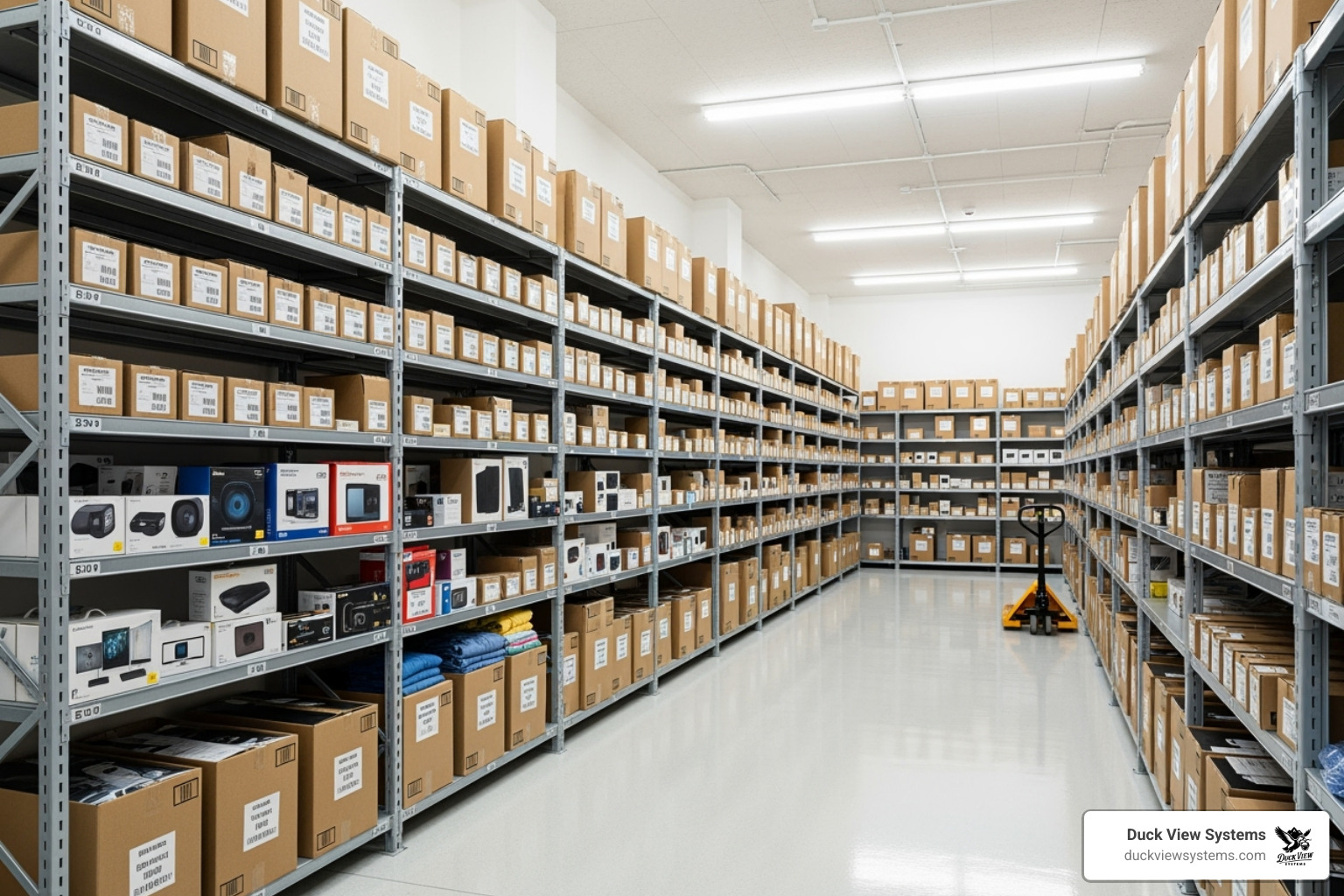
Process standardization ensures that critical tasks are performed consistently and correctly every time, while internal controls – like requiring multiple employees for certain tasks (separation of duties) – create essential checks and balances. This proactive approach is fundamental to managing and reducing retail theft.
Master Your Inventory with Rigorous Management
Your inventory is your business’s lifeblood and a prime target for theft. Strong, consistent inventory management practices can turn this major vulnerability into a well-defended strength.
- Utilize Modern Inventory Management Software: An effective system provides real-time tracking of stock levels, sales, returns, and transfers. This allows you to spot discrepancies between what the system says you should have and what’s actually on the shelves almost immediately, rather than waiting months for a physical count.
- Implement Regular Audits and Cycle Counting: Annual physical inventories are important, but they are too infrequent to effectively combat internal theft. Implement cycle counting, the practice of counting small, specific sections of your inventory on a daily or weekly basis. This not only identifies issues much faster but also keeps staff aware that stock levels are being constantly monitored.
- Conduct Unannounced Spot Checks: In addition to scheduled cycle counts, perform random, unannounced checks of high-risk, high-value items. This creates a healthy uncertainty about when and where an audit might occur, acting as a powerful psychological deterrent.
- Investigate Every Discrepancy: Treat every discrepancy, no matter how small, as a potential red flag. A pattern of minor, seemingly insignificant losses can often reveal a larger, ongoing theft problem. Document your investigation and its findings every time.
- Secure High-Value Merchandise and Control Access: Use locked cases, security tethers, or restricted-access stockrooms for your most valuable items. Access to back rooms and stock areas should be strictly controlled. Use keycards or digital locks that create a log of who enters and when, eliminating the anonymity that thieves rely on.
This level of rigorous management is especially critical for businesses like pharmacies, where products are not only high-value but also highly regulated and dangerous if misused.
Secure Your Cash and Point-of-Sale (POS)
Cash is the most liquid and tempting asset in a retail environment. The right procedures can make your cash handling processes nearly bulletproof, protecting your revenue and your employees.
| Feature | Insecure Cash Handling | Secure Cash Handling |
|---|---|---|
| Register Access | Multiple employees share one till; no individual accountability. | Each employee has their own till or a unique login for shared tills. |
| Cash Drops | Infrequent, irregular drops; no witness or documentation. | Regular, scheduled drops into a secure safe; dual verification required. |
| Reconciliation | Manager alone counts cash at end of day; no cross-check. | Two employees count cash at shift end; manager verifies and signs off. |
| Voids/Refunds | No manager approval needed; easy for any cashier to process. | Manager override/approval required for all voids, returns, and manual discounts. |
| Petty Cash | Unlogged; open access; receipts not required. | Dual sign-off for all transactions; receipts required; balanced regularly. |
| Trash Removal | Unsupervised; bags not checked before disposal. | Clear bags used; manager inspects trash from sensitive areas before removal. |
| Surveillance | Blind spots around registers; low-resolution or non-working cameras. | Clear, high-resolution camera views over all POS terminals and cash-handling areas. |
POS monitoring software is a game-changer. These systems can automatically flag suspicious transaction patterns, such as an unusual number of voids, excessive discount usage, or a high volume of no-sale transactions tied to a specific employee. Set up real-time alerts for these high-risk activities.
Manager approvals for high-risk transactions are a simple but highly effective checkpoint. Requiring a manager’s code or key for voids, manual price overrides, and returns without a receipt adds a layer of accountability that deters opportunistic fraud.
End-of-shift cash reconciliation must be a non-negotiable, documented routine. Investigate all discrepancies immediately, before memories fade. Dual verification for significant cash movements, like preparing bank deposits or replenishing the safe, protects both the business and your honest employees from false accusations by ensuring no single person is left alone with large sums of cash.
Finally, limiting cash drawer access with individual tills or unique POS logins creates clear, undeniable accountability. When a drawer is short, you know exactly who was responsible for it, making it easier to trace and address shortages. Our surveillance solutions complement these processes by providing the indisputable visual proof needed to make them truly effective.
Pillar 3: How to Prevent Employee Theft in Retail Using Smart Technology
When it comes to how to prevent employee theft in retail, technology is the powerful force multiplier that ties your people and processes together. Modern retail security demands intelligent, proactive solutions that can spot problems before they become major losses. It’s about moving beyond the limitations of reactive, traditional CCTV and embracing a system that actively works to protect your business.

Our AI Crime Prevention approach is built on this principle. It provides a powerful visual deterrent, gathers crystal-clear evidence when needed, and offers invaluable operational oversight into how your business actually runs day-to-day.
Leverage AI-Powered Surveillance for Real-Time Detection
Modern retail security is defined by Intelligent Video Surveillance that actively analyzes events as they happen. Our systems don’t just passively record – they monitor, detect, and alert you to the specific activities that signal potential theft.
- Monitoring Restricted Areas: Our AI Human Detection technology can be configured to instantly recognize when a person enters a sensitive area like a stockroom, cash office, or manager’s office. If the entry occurs outside of normal hours or if the person lingers for an unusual amount of time, the system can send an immediate alert to your phone or a monitoring center.
- After-Hours Activity Detection: The system intelligently distinguishes between expected activity (like a scheduled cleaning crew) and suspicious behavior (like an employee returning to access a register or stockroom). It can trigger immediate alerts for any unauthorized movement when your store is closed, giving you a chance to intervene before a theft occurs.
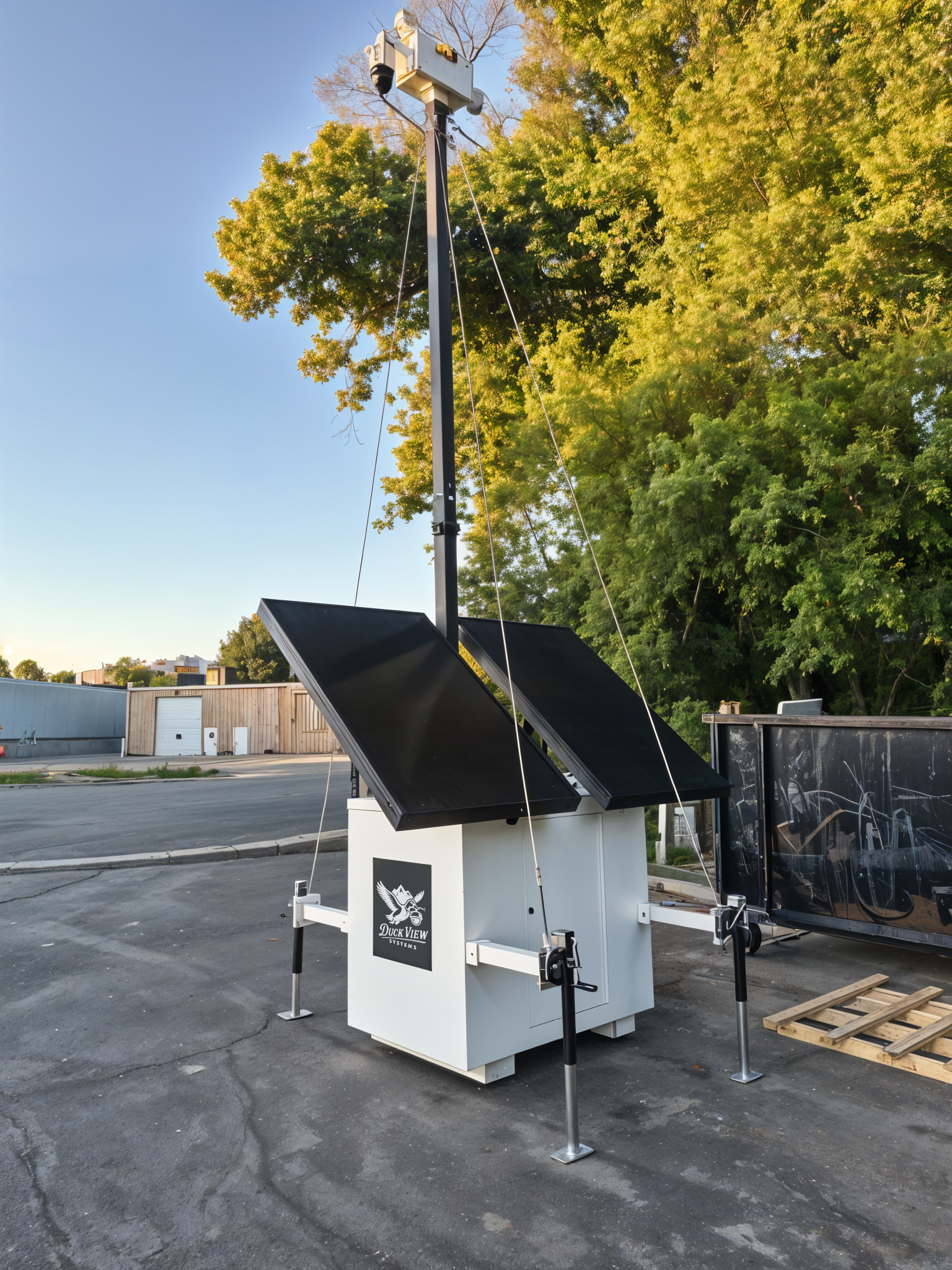
- Parking Lot & Loading Dock Monitoring: These areas are common blind spots for internal theft, where merchandise is passed to accomplices or stashed in vehicles. Our mobile units can monitor your parking lot for employees loitering near specific vehicles after their shift or secure loading docks to ensure all deliveries and disposals are legitimate. The AI can track vehicle movements and flag unusual activity, like a car arriving at the loading dock at 3 AM.
- Virtual Guard Services: When our AI flags a predefined threat, the system pushes instant alerts (phone/email) and activates deterrents like live talk-down, siren, and lights. You can route events to your own team or a third-party monitoring center for human verification and response. Every incident is captured with time-stamped clips and snapshots for Case Reporting and Natural Language Search retrieval. This delivers the effect of on-site guard presence, without the full-time guard cost.
Use Intelligent Search to Investigate Incidents Faster
When theft is suspected, traditional systems force you to endure hours or even days of manually reviewing footage. Our Natural Language Search feature revolutionizes this process, turning a painstaking task into a matter of minutes.
Instead of scrubbing through endless video, you can simply type a natural language query. Imagine searching for “person in red shirt near register” or “employee accessing stockroom.” The system instantly pulls up all relevant video clips, allowing you to pinpoint the exact moment an incident occurred. This incredible speed allows you to respond quickly to a developing theft problem before losses multiply.
Our integrated case reporting tools streamline the documentation process. You can easily compile relevant video clips, add notes, and create a comprehensive, time-stamped report ready for HR or law enforcement. This provides a clear, unbroken chain of custody, making the difference between a mere suspicion and an open-and-shut case. This functionality is central to How Duck View Works.
How to prevent employee theft in retail with Mobile and Covert Solutions
Flexible and adaptable security is often the most effective. Our Mobile Surveillance Solutions Guide details how our adaptable technology can be deployed to address specific, evolving theft challenges.
- Rapid Deployment for Hotspots: If your audits reveal a sudden spike in losses in a particular department or stockroom, our mobile units can be deployed within hours. This provides immediate, targeted coverage exactly where you need it most, without the cost and delay of a permanent installation.
- Security for Seasonal Operations: For temporary holiday kiosks, pop-up shops, or outdoor retail events, our self-contained units offer complete, enterprise-grade security. This is ideal for Seasonal Retail businesses that need robust protection for a limited time.
- Eliminating Critical Blind Spots: Mobile units are perfect for securing notorious blind spots like receiving doors, service corridors, and dumpsters, common exit points for stolen merchandise. Their visible presence alone is a powerful deterrent.
- Courtroom-Quality Zoom Capabilities: Our advanced cameras can capture crucial details like license plates and faces from a significant distance. This ability to get clear, identifiable evidence is what turns a vague suspicion into undeniable proof, ensuring that disciplinary actions or legal proceedings are built on a solid foundation.

Frequently Asked Questions about How to Prevent Employee Theft in Retail
What are the most common signs of employee theft?
Look for both operational red flags and behavioral changes. The most common operational signs include unexplained inventory discrepancies (shrinkage) that can’t be attributed to simple errors, and frequent cash drawer shortages or overages. At the POS, watch for unusual patterns like a high number of voids, no-sale transactions, or returns processed by a specific employee.
Behaviorally, be aware of sudden changes, such as an employee living a lifestyle that seems beyond their means, becoming defensive or secretive about their workspace, or insisting on working odd hours alone or handling specific tasks like trash removal. Our AI surveillance can help automatically identify many of these operational patterns.
How do you handle an employee you suspect of stealing?
Acting on suspicion alone is dangerous and can lead to wrongful termination lawsuits. Never confront an employee directly without concrete evidence. The first step is to begin a discreet and thorough investigation. Use tools like our Real Time Monitoring and Natural Language Search feature to review their activity without alerting them. Document everything meticulously – dates, times, specific transaction numbers, video clips, and any observed behaviors.
Once you have compiled solid evidence, consult with your HR department and legal counsel to ensure you follow your established company policy and all applicable laws before taking any disciplinary action. Our high-resolution footage provides the objective, indisputable evidence needed for internal discipline or to support a law enforcement case.
Can a positive work culture really prevent theft?
Absolutely. It is one of the most powerful and cost-effective tools for how to prevent employee theft in retail. When employees feel valued, respected, and fairly compensated, they develop a sense of loyalty and shared ownership in the business’s success. This positive connection directly counters the “rationalization” part of the theft triangle, making it much harder for an employee to justify stealing from a company they feel is treating them well. Engaged employees who care about the business become your best security allies; they are more likely to follow procedures correctly and report suspicious activity because they want to protect the healthy workplace you’ve built together.
Are visible cameras or hidden cameras better for stopping employee theft?
Both have their place, but for prevention, visible cameras are generally more effective. The primary goal is to deter theft before it happens. Highly visible cameras, like our mobile surveillance units, constantly remind employees that their actions are being monitored. This significantly reduces the “opportunity” in the theft triangle.
Hidden cameras are more useful for investigating a specific, suspected problem when you need to catch a thief in the act without their knowledge. A comprehensive strategy often uses visible cameras as a general deterrent and may involve targeted, covert surveillance only during a formal investigation based on credible evidence.
My business is small. Do I still need these extensive procedures?
Yes. In fact, small businesses are often more vulnerable to employee theft because the financial impact of each loss is greater and they tend to have fewer formal controls in place. While you may not need the same scale of technology as a big-box retailer, the core principles – the three pillars of People, Processes, and Technology – are universal. Implementing simple, scalable versions of these strategies is critical. This includes basic checks and balances like dual verification for cash deposits, regular inventory spot-checks, and having clear, written policies. A single, affordable surveillance camera monitoring the POS and back door can pay for itself many times over by preventing just one significant theft incident.
How to Prevent Employee Theft in Retail: Creating a Secure Environment
Learning how to prevent employee theft in retail is not a one-time fix but an ongoing commitment to a comprehensive, multi-layered strategy. By thoughtfully integrating the three pillars – People, Processes, and Technology – you create a resilient business framework that protects your assets, your team, and your future.
- The People pillar builds a foundation of trust and loyalty, transforming your employees from a potential risk into your greatest security asset.
- The Processes pillar establishes a clear framework of checks, balances, and routines that systematically reduce the opportunities for theft to occur.
- The Technology pillar provides the intelligent oversight and irrefutable evidence needed to ensure policies are followed and to hold everyone accountable.
These pillars are designed to support and reinforce one another. A positive culture encourages employees to follow procedures and report anomalies. Strong processes give your technology clear rules to monitor. And smart technology provides the proof needed to enforce your policies fairly and consistently, which in turn reinforces the culture of integrity.
At Duck View Systems, we provide the technological backbone for this integrated security approach. Our AI-powered mobile surveillance units are designed to be flexible, powerful, and rapidly deployable, allowing you to address any security challenge your business faces. With game-changing features like Natural Language Search, AI-driven procedural monitoring, and Virtual Guard services, our systems adapt to your unique needs, whether you’re investigating a specific hotspot, securing a pop-up location, or simply ensuring day-to-day operational excellence.
Creating a secure retail environment is about much more than just catching thieves; it’s about building a business where trust, accountability, and integrity pave the way for success. By investing in the right combination of people, processes, and technology, you not only protect your bottom line but also create a workplace where your honest, hardworking employees can truly flourish.
Don’t wait for the devastating impact of internal theft to make security a priority. Contact our team to learn how our Retail security solutions can help you build the secure, trustworthy, and profitable environment your business deserves.